
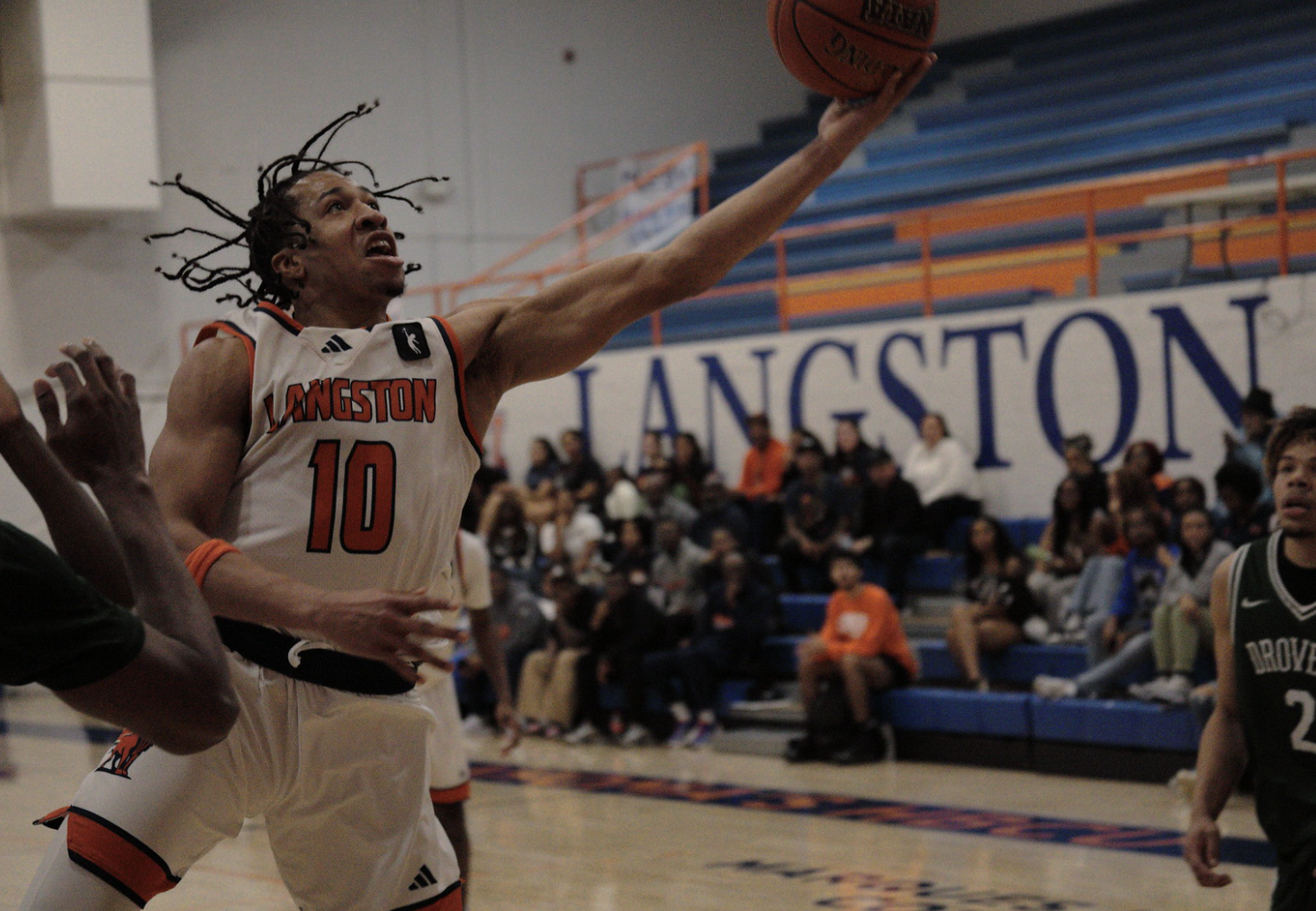
Being a student athlete at Langston University is both a privilege and a challenge. For four years, I balanced being a full-time honors student with the demands of playing collegiate softball, and I quickly learned that success didn’t come from being perfect, it came from being hardworking and intentional. Between early morning workouts, long road trips, classes, and extracurriculars, student athletes have to learn how to manage their time, their energy, and their expectations. Winning as a student athlete is possible, and it is built through daily choices. The following tips are meant to help you balance the academic and athletic sides of college with confidence.
Balancing Classes, Practices, and Everything Else

One of the first challenges student athletes face is the lack of free time. Between classes, practices, lifting sessions, team meetings, and games, your schedule can feel completely packed. Travel days often turn into lost study days, and long evenings after competition make it hard to stay focused academically. As an athlete, your schedule looks very different from that of non athletes, and those commitments are not optional. They are part of your responsibility to the team.
Before college, I was often told to be proactive with my academic life by scheduling classes strategically and avoiding conflicts with practice. While that advice sounds great in theory, it was not always realistic. At a smaller university like Langston, there are often only a handful of class times available. You can try to avoid early morning or late afternoon classes that overlap with practice, but sometimes conflicts are unavoidable. What matters more is learning how to make the most of the schedule you are given and committing to showing up for both academics and athletics.
Over time, I learned that time management for student athletes looks different. Waiting for free time does not work. Free time has to be created intentionally. I used short pockets of time to review notes, start assignments, or respond to emails. That sometimes meant showing up to class in practice clothes so I could head straight to the field, walking into class still tired from morning weights, or sitting through night classes after a full day of lifting, academics, and practice. It was not easy, but those experiences taught me that flexibility, preparation, and persistence are essential for surviving and succeeding as a student athlete.
Protecting Your Academic Standing and Avoiding Burnout
Many student athletes feel pressure to be involved in everything, and while extracurriculars can be valuable, balance is key. I learned to be honest with myself about what I could realistically handle during the season versus the off-season. Overcommitting can lead to burnout, which affects both academic and athletic performance. Choose activities that align with your goals and don’t be afraid to say no when your plate is full.
It’s important to consider how many classes you can handle during the season, especially when travel and practice demands are heavy. At the same time, do not sacrifice graduating on time just to make your in-season workload more comfortable. Make sure you are taking enough credits to stay eligible and on track for graduation. Taking the minimum 12 credits to stay eligible for your sport can backfire quickly and cause you to take on extremely credit heavy semesters later on, and only taking the minimum amount of credits required leaves no wiggle room if you happen to fail a class. Plan carefully and be realistic about what it will cost you physically and mentally.
Communicating With Professors and Managing Commitments
One lesson I cannot stress enough is the importance of communicating with your professors early and professionally. Missing class for competitions can affect attendance points, quizzes, participation grades, and group work if it is not handled correctly. Many student athletes struggle because they assume professors automatically understand athletic obligations, but that is rarely the case.
At the beginning of each semester, I made it a habit to email my professors as soon as I received my athletic schedule. Letting them know about game days in advance showed respect for their class and gave me the chance to ask about missed lectures, assignments, or attendance policies. Relying on mass emails from the athletic department to alert your professors about game days is not always full proof and waiting until after you miss class to get your attendance corrected makes everything harder. When professors see that you are proactive and committed to staying on track, they are often more willing to work with you.
It is also important to remember that professors do not know the ins and outs of your sport. They might see a class at 9 a.m. and a game at 11 a.m. and not understand why you cannot attend both. They do not see the two-hour warm-up, pregame meetings, or the line at the athletic training room. Advocating for yourself and explaining these realities is your responsibility, and doing so professionally can prevent misunderstandings before they happen.
As an honors student, I understood the idea that “student” is supposed to come before “athlete,” but success in both is not always that simple. Communication has to go both ways. You need to be transparent with professors about your sport, and you also need to communicate with your coaches about your academics. This is where strong relationships matter. In a perfect world, there would be no unspoken consequences for prioritizing the classroom, but the reality is that missing too much practice can affect how dependable you are perceived to be and, in some cases, your playing time.
Being a student athlete can feel like a constant balancing act. You want your coaches to trust your commitment to the team, and you want your professors to trust your work ethic in the classroom. The key is clear, consistent communication and the willingness to advocate for yourself on both sides.
Travel and Staying Academically Prepared
Travel is one of the most disruptive parts of being a student athlete, which is why limiting how much homework you leave for travel days is so important. When possible, get as much work done before you leave. The less you save for bus rides and hotel nights, the less stress you carry into competition and recovery.
However, sometimes doing work on the road is unavoidable and it’s better to be prepared in case you get hit with an unexpected assignment. Always bring your laptop, chargers, and any materials you might need, even if you think you will not have time to use them. Sometimes there is wifi on the bus, sometimes there is not. In a pinch, using your phone as a personal hotspot can help, but it should not be your main plan. In my experience, trying to do homework in a hotel after a game day is rarely ideal. Wifi can be unreliable, time is limited, and it is easy to realize too late that you left something important at home.
Health is part of the game plan
Taking care of your body is not optional if you want to be successful as a student athlete. You can not outwork poor sleep, bad nutrition, or constantly ignoring how your body feels. You might get away with it early on, but as the seasons add up and you get older, it catches up fast. By my senior year, I could feel the difference between being 18 and being 22 while still competing at a high level. The general wear and tear of college sports is real, and preserving your health becomes just as important as building strength or skill.
Sleep, hydration, nutrition, and recovery matter just as much as practice. That means making smarter choices in the cafeteria, taking naps between classes to supplement sleep you may be missing from late nights and early mornings and drinking plenty of water. Consistently eating three meals a day also matters. If you have morning conditioning or weights, skipping breakfast puts you behind before the day even starts. Fueling your body helps you get through daily athletics and still have the mental focus to show up academically.
This also applies to partying and drinking because what you put in your body can affect your performance. I’m not condoning underage drinking, but in a college environment, I am being realistic. If you choose to drink or stay out late, you need to be intentional about when you do it. Planning certain days of the week to go out can be the difference between feeling fine at practice and showing up hungover, exhausted, or sick. Trust me it will be obvious to upperclassmen teammates and coaches. High intensity workouts do not mix well with poor decisions the night before.
Use the athletic training room to your advantage, but not to your detriment. This is where knowing your body really matters. I am not saying to push through injuries in an unsafe way, but don’t hand over all control of your body and playing time to someone else. You have a say. Learn your body, stay informed about your condition, and advocate for what you need.
For me, this lesson became very real. I played three years of college softball with a spinal injury that cannot be surgically fixed until much later in life. I had to decide whether I was going to stop playing or continue while managing pain. Chronic back pain became part of my journey, but I learned how to work with my body instead of against it. I asked for alternative exercises in the weight room, avoided movements that could make my injury worse, and stayed proactive about my care. Because of that, I was able to start all four years of my collegiate softball career without taking large amounts of time off. It was not easy, but it was worth it.
Being injured can make you feel like you have no control, like you are at the mercy of trainers and coaches. That is not true. Advocate for yourself and build a relationship with your coaches and trainers so that they value your input. When they know you are honest, prepared, and self aware, they are more likely to ask how you feel and trust your judgment about when you are ready to play instead of making decisions without you.
Part of that is becoming a student of your injury. If there is something you need for recovery and you are not consistently getting it, take responsibility for finding a solution. Ice was a crucial part of my routine after games, practices, and lifting. Since ice was always in high demand, I bought my own ice packs so that my recovery was never dependent on someone else’s availability. That allowed me to take care of my body on my own time and stay consistent with rehab. Small choices like that can make a big difference over the course of a season.
Balancing Performance and Mental Health
Mental health is not a side note in the student athlete experience, it is foundational. The pressure to perform, stay eligible, manage relationships, and meet expectations can wear on you over time, even if you love your sport. I struggled with depression during college, and while I did try online therapy for a period of time, fitting consistent support into my schedule was extremely difficult. What mattered most was learning to check in with myself and recognize when something was off instead of pushing through everything in silence. Mental health struggles do not always show up as a crisis. Sometimes they look like constant exhaustion, lack of motivation, irritability, or feeling disconnected from the things you used to enjoy.
Alongside academics and athletics, mental health was an important part of my college experience, even if it did not look that way from the outside. My depression in college was very high functioning. On paper, I was thriving. I graduated summa cum laude, served as team captain, was a part of several extracurriculars and never fell behind academically or athletically. From the outside, it looked like I had everything under control. In reality, I was emotionally exhausted by how much I was carrying. Staying constantly busy became my coping mechanism to avoid slowing down enough to face my feelings. In the end I learned that putting your mental health on the back burner is not a solution and will only make healing harder.
If you are a student athlete who is struggling with anything mental health related I encourage you to seek help and support. Asking for help does not mean you are weak or failing. It means you are paying attention to yourself. Knowing when to reach out, whether to a counselor, a teammate, a coach, or someone you trust, is part of being disciplined and taking care of yourself long term.
Building Confidence and Healthy Team Relationships
Confidence as a student athlete is not just about performance. It is about having a strong sense of who you are as a student, as an athlete, and as a person. When you are grounded in each of those areas, you are more likely to be respected and appreciated in all of them. Teams can start to feel like family over time, and with that closeness comes different personalities, stress, and sometimes drama.
Throughout my career, I managed to avoid getting pulled into conflict, even when there was plenty of it around me. That was not because I stayed quiet or avoided hard conversations. I was clear about where I stood, held myself to a standard, and communicated directly when it mattered. By my senior year, that approach helped me earn the trust of my teammates and coaches enough to become team captain.
What made the difference was setting boundaries, communicating clearly, and making an effort to understand where teammates were coming from. You do not have to agree with or be close friends with everyone on your team, but you do need mutual respect and commitment to the same goal.
Do not contribute to conflict within your team. Be someone who helps steady the room instead of adding to the noise. Effort, accountability, and emotional maturity go a long way in earning trust. Strong teams are built by athletes who compete hard, support and respect each other.
Remember your “Why”
Winning as a student athlete does not always show up on a scoreboard. Sometimes it looks like passing a difficult class during a heavy travel season, recovering from an injury with patience, or learning how to advocate for yourself. My experience playing softball at Langston University taught me that growth often happens in the in-between moments. The long days, hard conversations, and quiet discipline required to keep going matter just as much as game day success.
When I arrived on campus as a freshman, there were seven of us new to the softball team. On senior night, I was the only senior left. Sports are transient. Teammates you love will transfer, quit, become ineligible, or not return from injuries. That reality can be hard, especially when your team feels like home away from home.
As you navigate college as a student athlete, remember your why. Remember why you started playing, why you love it, and what makes it meaningful to you. Then protect that. You will face conflict with coaches, academic struggles, teammates leaving, fatigue, and envy toward the free time non athletes seem to have. I’ve heard people say these things ruined their sport for them, but they only have that power if you let them.
If your why belongs to you, it cannot be taken away by anyone else. If you want it badly enough, you can do it. Mental toughness is not just about pushing through pain. It is about protecting the passion that made you start in the first place.

Midori Williams
Midori Williams is a 2024 graduate of Langston University with a bachelor’s degree in broadcast journalism. She was formerly the features editor for The Gazette.


