
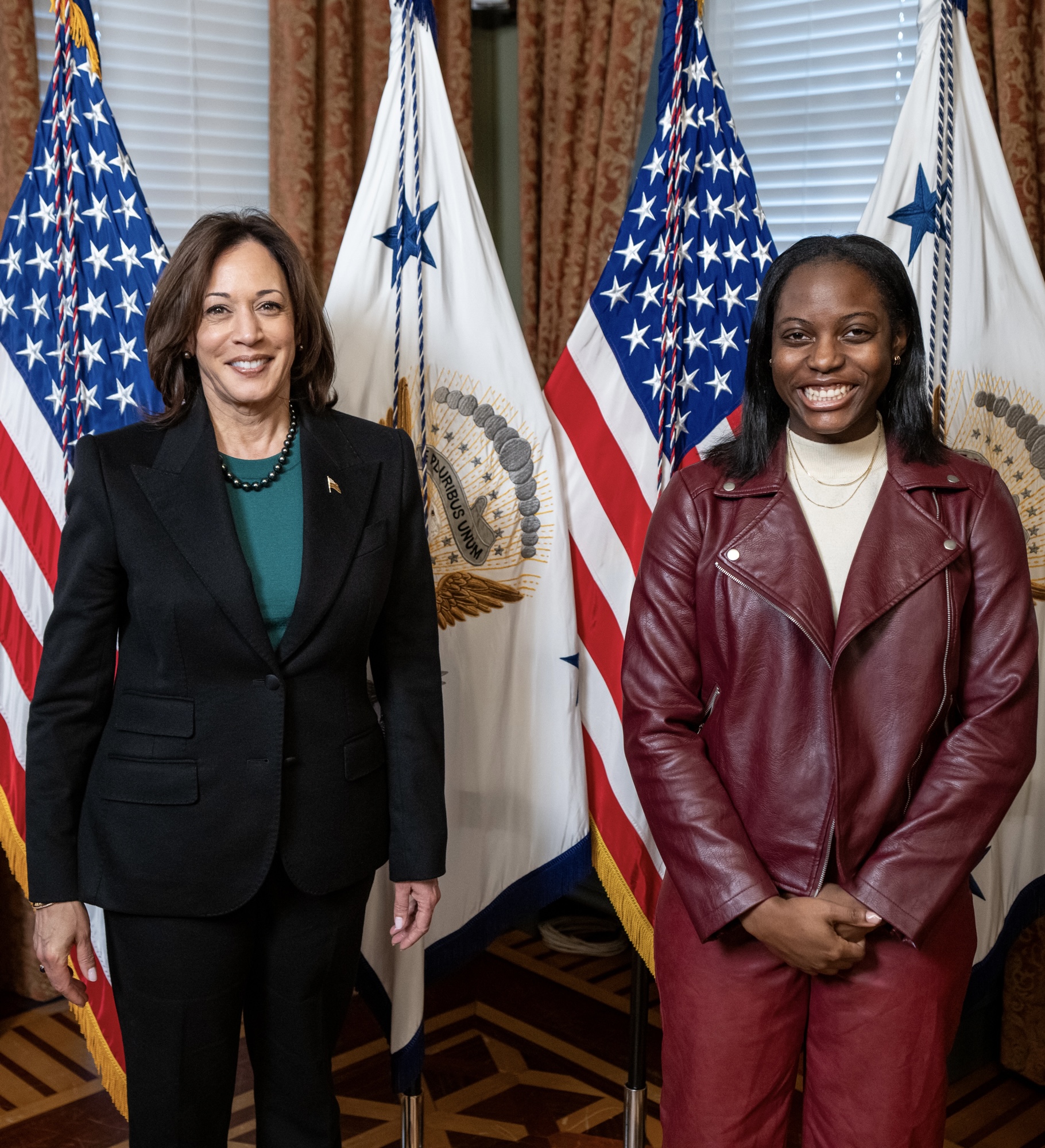
I didn’t get to the White House because I was the smartest person in the room. I got there because I knew how to build relationships.
Being in the workforce for four years now, I know from my very first internship with the Education Trust to my last internship with the White House that who you know can take you places and put you in rooms you have never been in before. So start networking, which essentially means meeting new people, sharing your ambitions, being willing to listen, asking for help, and being a helping hand to others. Sometimes getting an internship happens from one small conversation with a professor. You didn’t know it, but that professor had a connection to someone in a field you were interested in, and now you have an internship for the summer and are making industry connections. Here is how to network and use the resources you have at your disposal.
Start With Your Career Counselor
My career counselor helped me secure my very first internship. I had her look over my resume, cover letters, and portfolio. I made it a point to attend every workshop and seminar about networking, cover letters, and resumes so I stayed well informed. Over time, we developed a real relationship, and she made it her business to send me job opportunities and internships that matched my goals. She understood where I wanted to go and pointed me in the right direction. She even helped me get my LinkedIn up and running. I hadn’t used LinkedIn a single day in my life until a scholarship I received required me to announce it publicly on the platform. The practical skills she taught me about interview questions, scholarships, and professional emailing ultimately helped me secure an internship with the Harvard Alumni for Black Advancement.
Connect With Your Professors
Your professors are one of your most valuable networking resources. My professors gave me the opportunity to attend a career workshop at the Thunder Arena, where the Oklahoma City Thunder organization hosted an event for Langston broadcast journalism majors to network, tour the arena, have lunch, and ask industry professionals questions about their careers. It was an incredible experience, and I only had the chance to go because my professors told me about it. Throughout the year, my professors also sent us different internship opportunities as they came up.
Professors are also an invaluable resource for recommendation letters, which you will need for internships, graduate school applications, and more. When I was applying for my White House internship, my professor wrote me a letter of recommendation. So did my department dean, and our university president. Those three letters, combined with my essay responses, changed the trajectory of my life.
What Networking Made Possible
Three months after submitting that application, I was living in Washington, D.C., interning for the first woman vice president of the United States, and going to work every single day. I truly felt like I was doing something meaningful, serving the American people and fulfilling a kind of civic duty. Just being able to step foot in a building my ancestors built, to walk halls they were once forbidden from walking, and to be a part of history alongside the first Black vice president of the United States was something I will never take for granted. The gratitude I felt walking into work each day wasn’t always about the assignments themselves. It was about the weight of everything it took to make that moment possible.
Working in the communications department, the senior leads of our team were Black women, leading, excelling, and doing it well. Seeing that representation of people who looked like me was the biggest inspiration. I did not know that attending Langston would open a door like that. I left D.C. changed for good.


How to Work the Room
Here is the biggest secret people don’t always tell you: you don’t have to be the most qualified or the smartest person in the room. When applying for a job where you don’t meet every qualification, apply anyway. During some of my internships, I realized that peers with far more experience than me had also secured positions, and so had peers with far less. What made the difference was often knowing someone who could get them in the door. People are willing to train you if they believe you are reliable and have potential. So even if you don’t know everything, show up and show what you’re capable of.
There were people in my internship cohort with more experience, better resumes, and bigger networks than me. What I had was consistency, kindness, and a willingness to show up, learn and work hard. That was enough.
Now that you understand how the game is played, learn how to leverage the assets you have. Always have an elevator pitch ready, which is a brief, confident summary of who you are, what you do, and where you’re headed, short enough to deliver in the time it takes to ride an elevator. Be kind to everyone you meet and don’t be afraid to put yourself out there. Most importantly, don’t be transactional. Learn how to be relational and genuinely interested in people. That approach will take you further and leave a better impression than any resume ever could.
When you see an opportunity, go for it. When you see a job, apply. Put yourself out there, because the rooms you belong in are waiting for you.

Nia Daniels
Nia Daniels is a former staff writer and editor for The Gazette. She graduated from Langston University in 2023.


